
The Perfect Life Hack
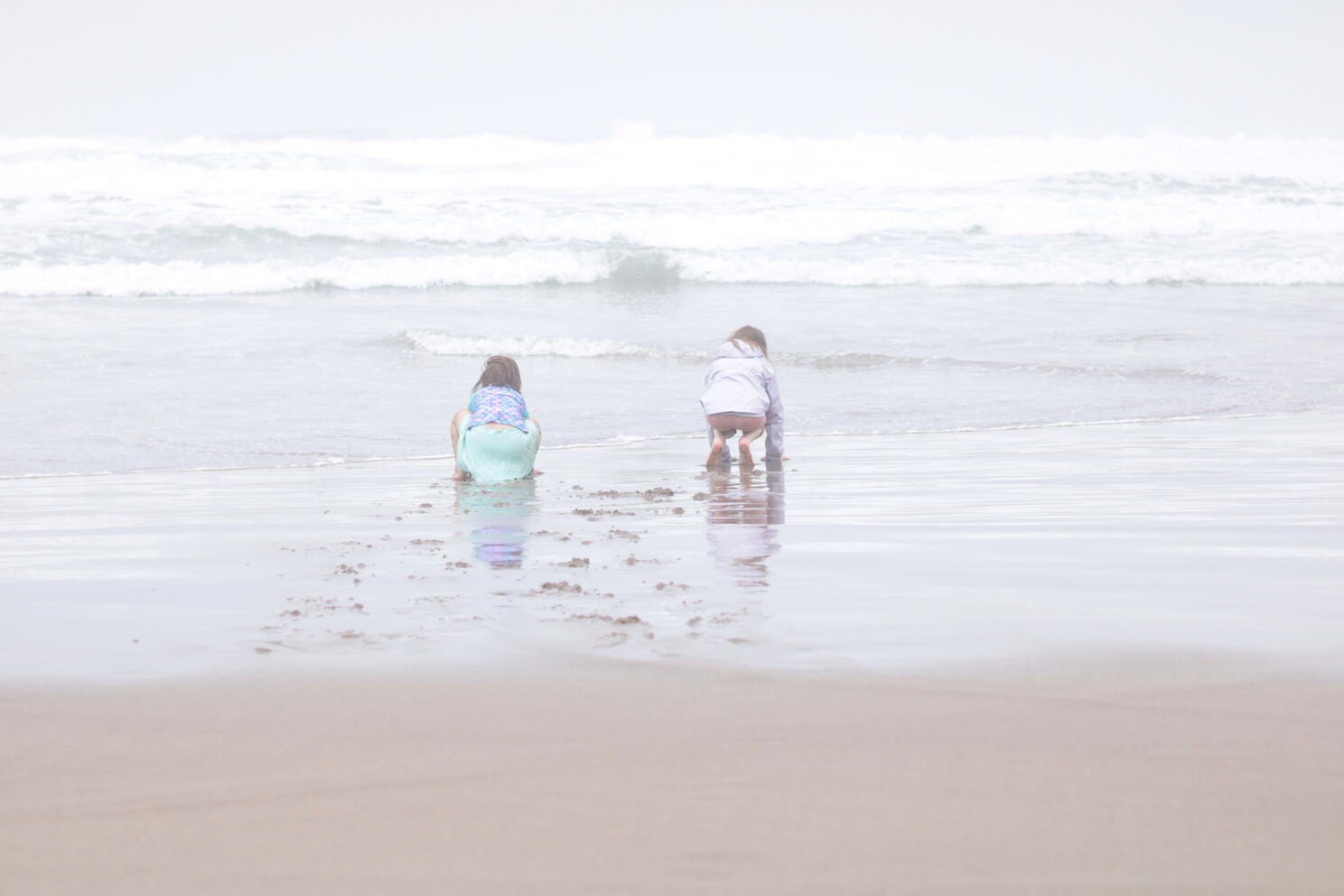
ocean photos at the end

When I was in graduate school, I had my life hacked. (Or maybe not my life: I had persistent insomnia. But I had school hacked.) Academic anxiety seemed like other people’s problem. I pulled the occasional all-nighter to finish a big paper, and I had my share of frustrating classes, but on the whole, I did exactly what I wanted, in a way that suited me.
I had decided I wanted to be a writer, but that I wanted to write about ideas; and I wanted to learn to write about ideas from people who had practice thinking. So I went where people were thinking, professionally, about what I wanted to write about (attention, beauty, art, and what it has to do with living life), and I learned. I kept expecting people to discover that I had no interest in academic argument for argument’s sake, and to get kicked out for it, but I never was.
In motherhood, by contrast, I feel like anxiety has been my middle name. The things I worry about go all the way down, and sometimes they translate into shame that translates into cycles of misery that no one can talk me out of.
In graduate school, I saw other people eaten alive by the question Am I a good grad student? It was an easy question for me to sidestep because academic success did not have deep emotional roots for me (no one in my family worships academia, and the doctorate my dad earned in theology was, if anything, a cautionary tale on the vicissitudes of academic existence and the incredible amounts of tedium involved). Because I sidestepped that judgmental question tying my value to my performance as a student, I was able to ask a strategic, useful question: How can I make grad school work for me?
The answer: by starting with who I am and how I work, and then moving on to what this setting expects of me, not the other way around. I have two hours of high-quality concentration in an average day, and two to four more hours of mediocre concentration. Instead of agonizing about how to do more than I could, I tried to be strategic about what I spent my two best hours on, and what I spent the other hours on.
In motherhood, by contrast, I have not succeeded in sidestepping the judgmental question. To a degree no one around me understands, and that embarrasses me, I wake up at night worried that I am not a good mother.
I was several years into motherhood when I realized I had some big assumptions about what it meant to be a good mom; and that these assumptions differed categorically from what it meant to be a good dad, or a good parent.
Once I realized how much internal pressure I was putting myself under, I began looking for help in ideas, and discovered the term intensive mothering. It was coined to describe type-A career women who transitioned to stay-at-home motherhood and approached their mothering with the same drive toward achievement that had served them in their careers.
The name intensive mothering resonated, although the description didn’t fit perfectly; I wasn’t competing with anyone about where my kids went to preschool, or how many extracurricular activities they participated in, or at what age they learned music theory.
I didn’t feel like I needed to be a tradwife, either; but that was closer. I felt I needed to love homemaking and caring for small children, and that if I didn’t, I was a bad mom.
And I didn’t.
Or rather, I didn’t when I kept the “rules” I had internalized, which no one was enforcing and more or less everyone I knew was encouraging me to break—do this without childcare; assume it should be hard work, yes, but fundamentally delightful if done right; do it without a network of fellow moms; assume that my children categorically need me, and that no one else (including their dad) will do.
The thing that let me skate across the surface of external expectations in grad school was not there for me in motherhood.
I thought for years that this “thing” was walkaway power. I had told myself, on the way into the Ph.D., that this degree would be nice to have but wasn’t necessary. I was going to do it in a way that worked for me, and if that didn’t work for the university, then I’d walk.
That approach didn’t work for motherhood. There was no way on earth I was ever walking. Therefore, I concluded, I was stuck in my expectations.
But I’ve realized it is not the walkaway power that mattered; It is the reason why I had walkaway power. In grad school, I was willing to fail, according to other people’s measures of success. And in motherhood, I haven’t been.
I had this freedom, in grad school, because I gave it to myself.
I’ve picked up external motherhood-voices all over the place, and for some reason, I’ve let them broadcast on the inner radio frequency that tells me who I am. I have been unwilling to let them down, unwilling to hear them tell me that I’m a bad mom. (They have anyhow, constantly.)
Instead of starting motherhood with who I am and what I have to offer, and then looking at the expectations and deciding what to do about them, I started with what I believe I have to live up to, and then I tried to make myself fit that mold. And, like the haggard grad students prone to jumping at small noises at 3 am in the library as they raced to read all four of the 300-page books assigned in their classes that week, I ran myself ragged trying to meet a patchwork of expectations no real person was holding me to. These expectations were no more achievable than the flawless skin of an airbrushed model on a magazine cover, and had just as little to do with who I am and what I have to give.

But I am working on booting those expectation voices off Steph Radio.
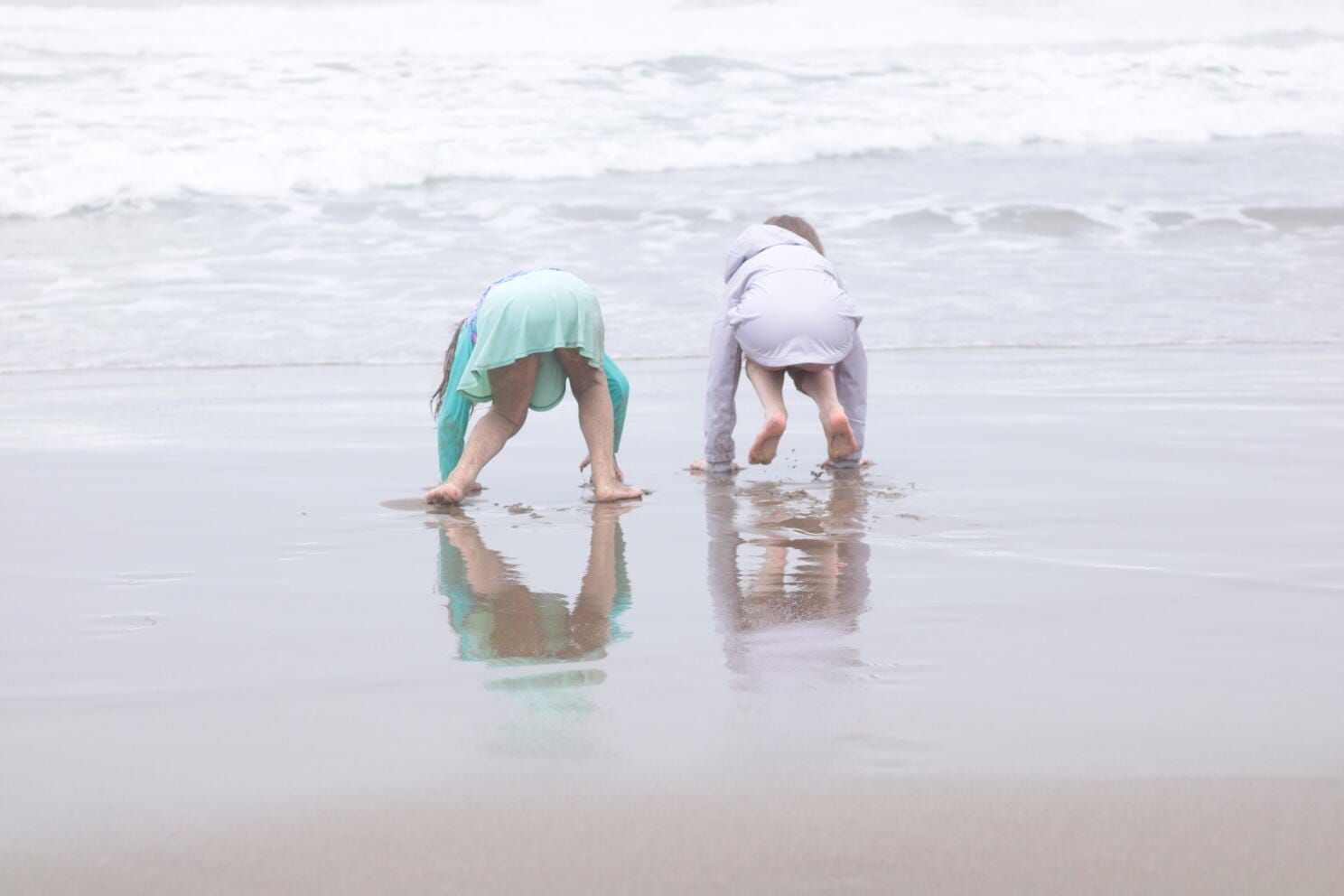
There’s no switch for this, but each time they play and I shrug at them and continue about my business (which right now is figuring out again who I am, what lights me up, and how to channel that into good work in the world, a big chunk of which is the loving and tending of two small humans), the voices get ever so slightly softer.
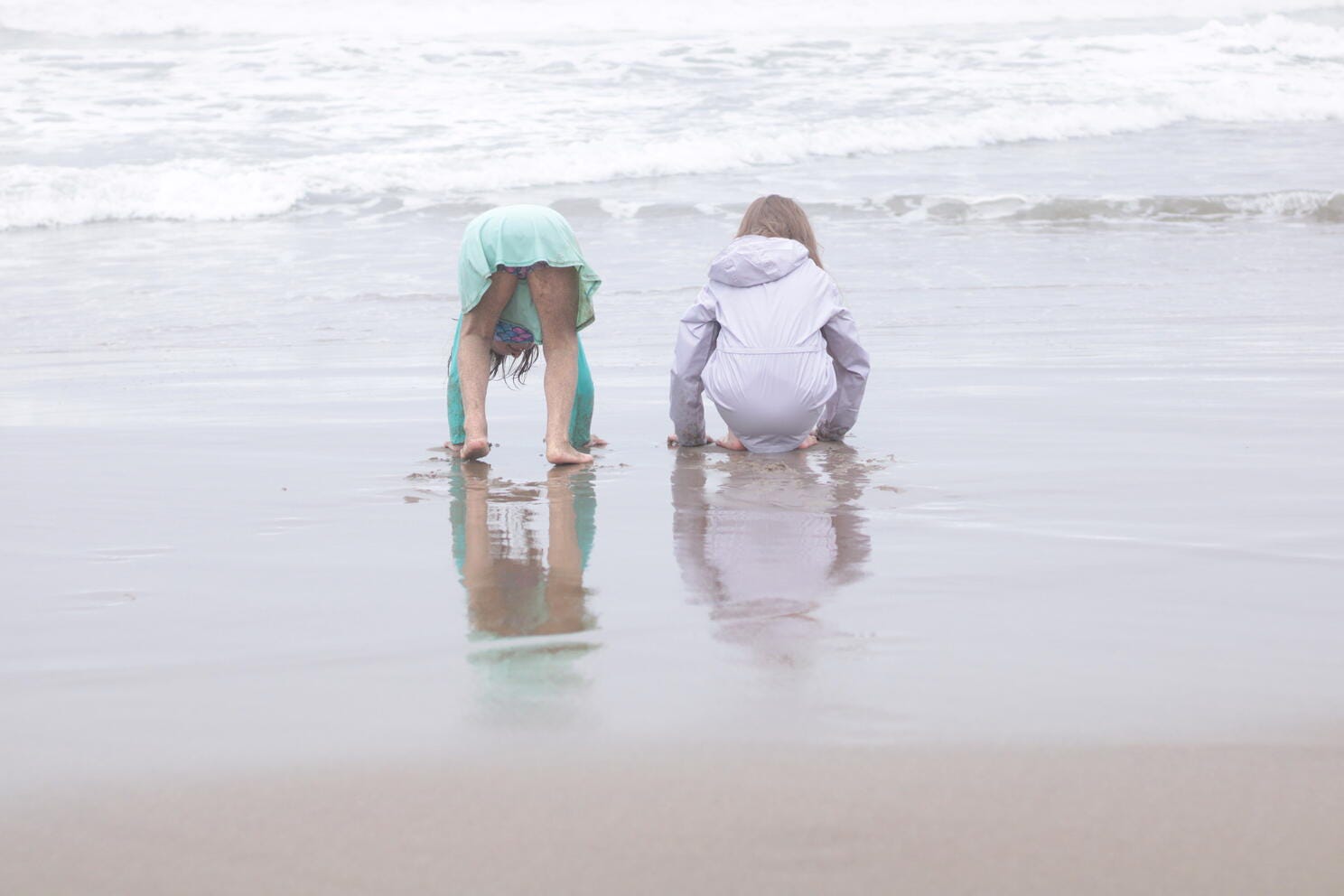
The next time I ignore them, they get still softer.
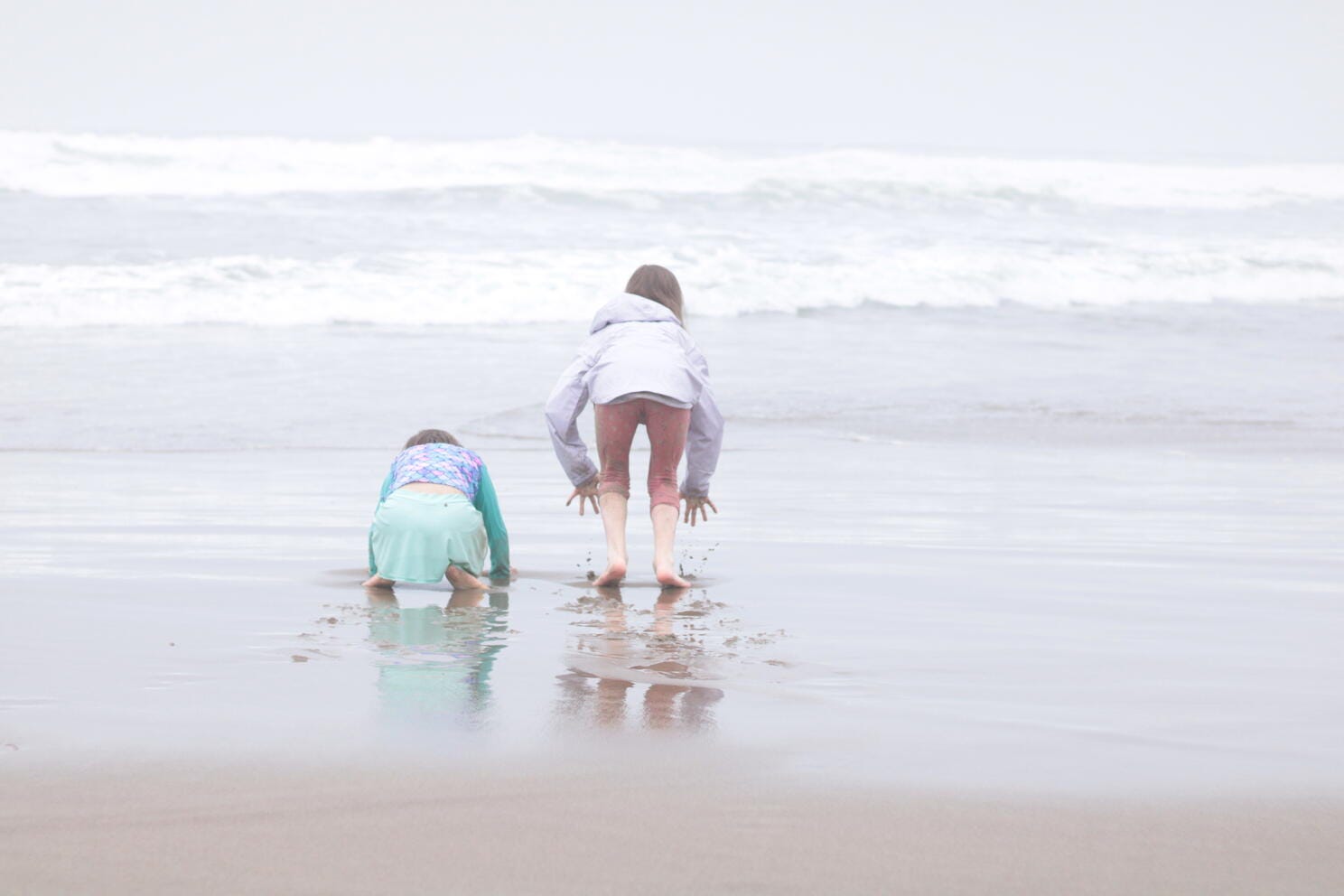
And softer.

One day,

I’ll have to strain to catch the words.
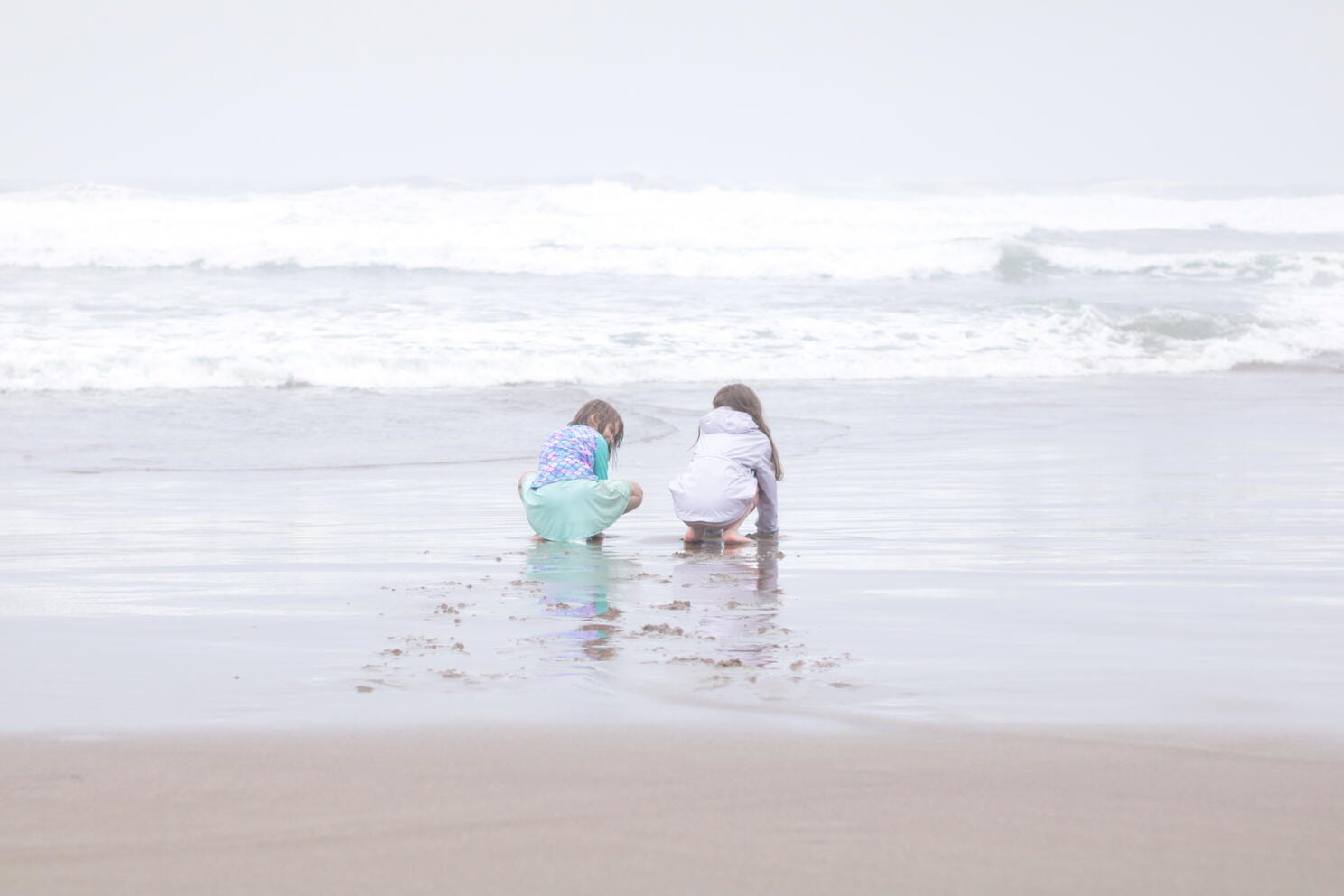
I am looking forward to that day.
Love this as an invitation for all our identities. Who am I FIRST, then what can I expect of myself. Beautiful piece!
Yes!!!